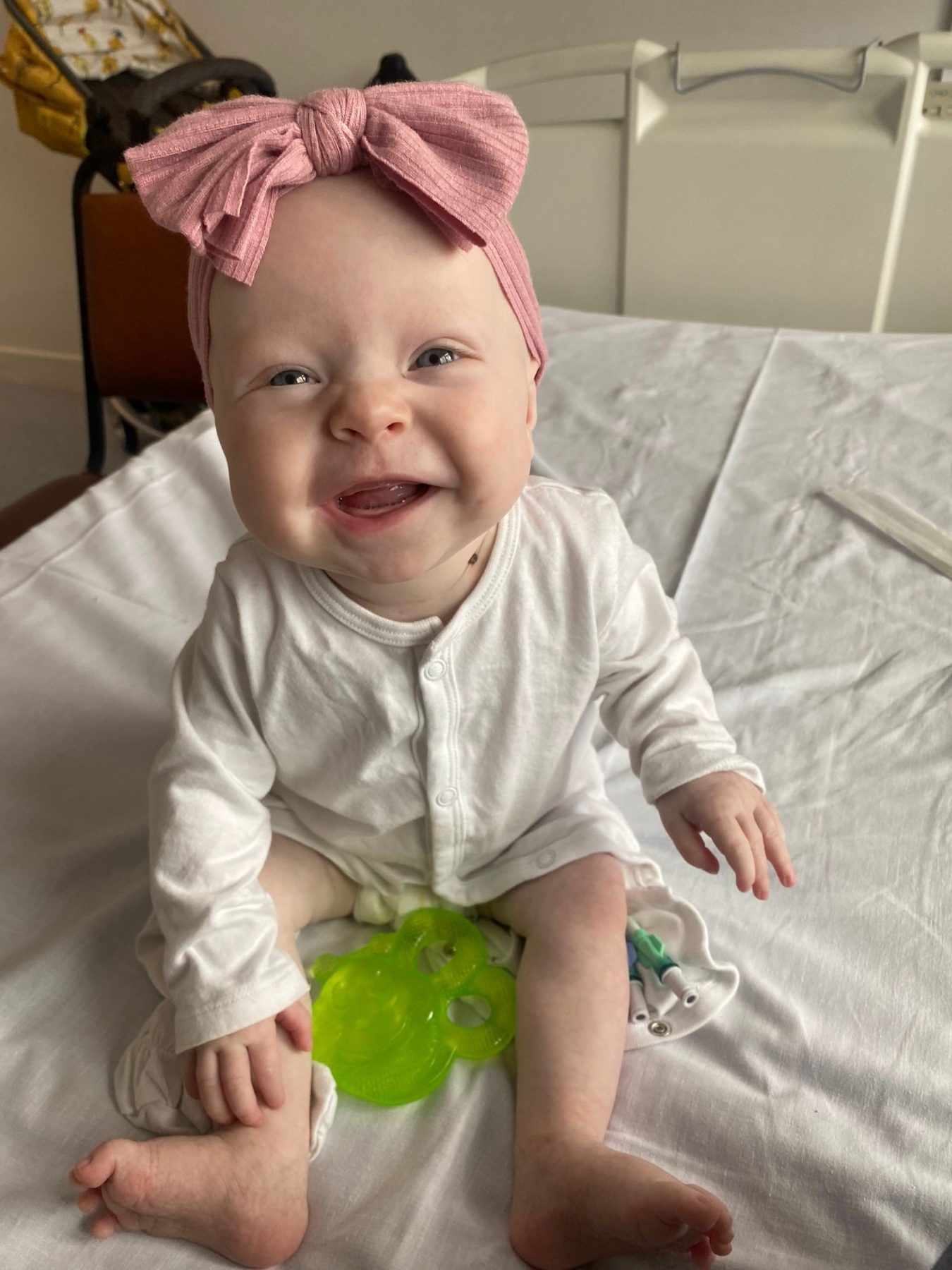
You do not need to know what is wrong, you only need to know that something is wrong.
Those words have stayed with me ever since speaking to Roisin about her daughter, Aila.
Like so many parents, Roisin wasn’t looking for a cancer diagnosis. She wasn’t searching the internet for rare diseases or convinced something catastrophic was happening. She simply knew her baby wasn’t herself. As a first-time mum, she noticed that whilst other babies seemed to recover quickly from the usual coughs and colds, Aila didn’t. She struggled to bounce back. Then, little by little, other concerns began to appear.
On their own, each symptom had a possible explanation but together, they were beginning to tell a different story.
Yet one question seemed to come up time and time again.
“Are you a first time mum? “
Despite ongoing concerns about Aila’s weight, her breathing, her fatigue and her inability to settle, each symptom was considered individually. She was breastfed. Newborns are sleepy. Some babies are just small. One clinician even told Roisin she was “lucky” to have such a sleepy newborn.
But this wasn’t a sleepy baby.
This was a baby becoming increasingly unwell.
“She was tiny, unable to gain any weight and falling into the lowest weight centile despite being born at a perfect weight. She struggled to breathe, her breathing sounded like she was snorting and wheezing, bruised lumps appeared on her head, her eyes started to bulge, she was incredibly upset and hard to settle. I was watching my baby get sicker and nobody could tell me why.”
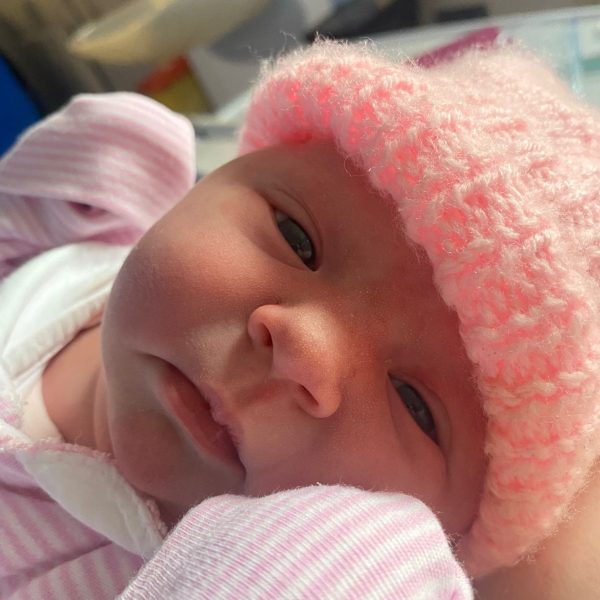
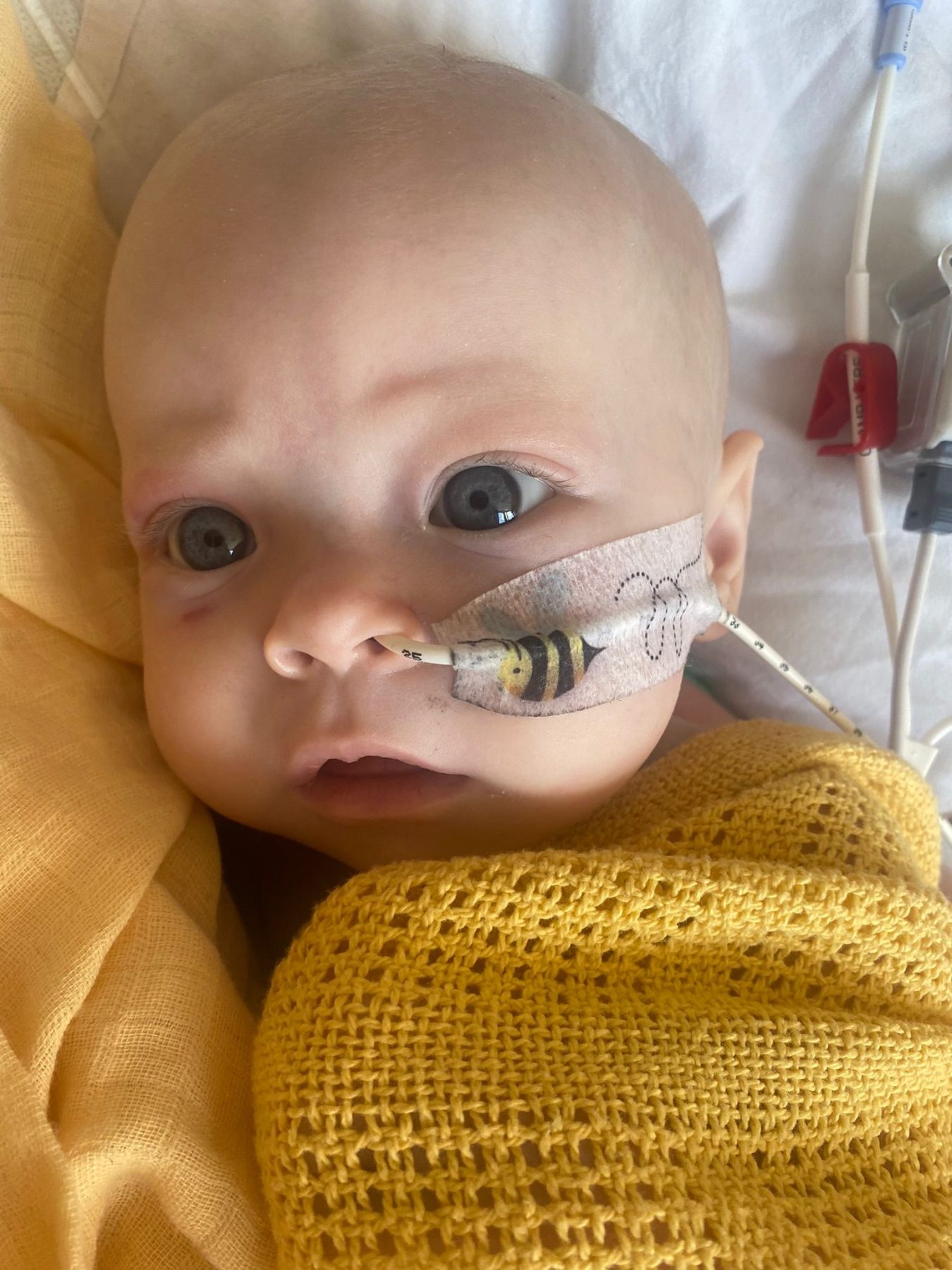
Over the next four months, Roisin sought help again and again. There were repeated hospital admissions, 111 calls, GP appointments and health visitor reviews. The symptoms didn’t improve. They persisted, and they continued to grow.
It was only when one clinician stepped back and looked at all of the symptoms together that everything changed.
Finally, someone stopped looking at the symptoms individually and started looking at Aila.
Aila was quickly diagnosed with AML (Acute Myeloid Leukaemia).
However, by the time the correct diagnosis was reached, Aila had become critically unwell. Before her cancer treatment could even begin, she was admitted to intensive care.
For Roisin, this is one of the hardest parts of Aila’s story to live with. Delays in diagnosing AML can matter. The severity of disease at diagnosis can influence both prognosis and the risk of relapse, leaving her with the question so many parents ask themselves:
“Could I have done more?”
The diagnosis was only the beginning.
Over the next six months, Aila underwent intensive chemotherapy. Childhood cancer treatment is incredibly tough. Many of the drugs used are the same powerful chemotherapy medicines used in adult cancer care, adapted into paediatric treatment protocols, and they take an enormous toll on a child’s body.
There was sepsis, anaphylaxis, emergency surgery. Complications whose symptoms were themselves missed along the way.
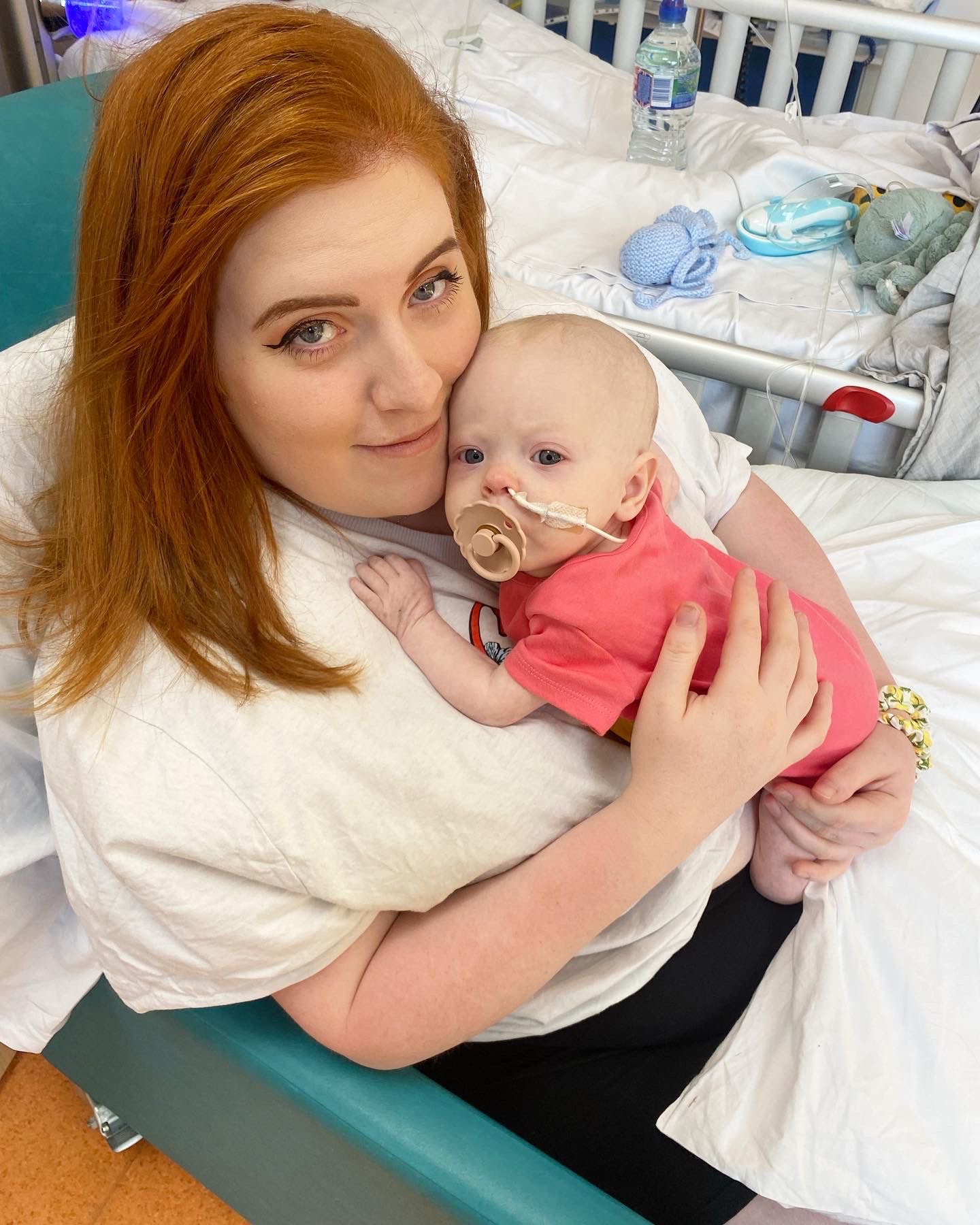
Learning to ask different questions….
We asked Roisin : What advice would you give to new/any parent having been on this traumatic diagnosis pathway?
“Challenge dismissals, ask questions and request that everything be documented.”
Parents asking questions can encourage everyone to pause and reconsider the bigger picture. If a blood test isn’t being done, ask why. Ask what the clinician thinks is causing the symptoms. Ask how long they would expect them to continue, and what should happen if they don’t improve. Ask when you should come back for review.
Those conversations help everyone leave with a clearer plan than simply “let’s wait and see.”
Although Aila is doing well today, the events surrounding her diagnosis still weigh heavily on Roisin. It’s important that families are permitted a space to speak about the things they went through and what they endured as often as needed, in safe spaces where they can be encouraged to share.
One thing about Roisin’s story really stayed with me. She knew something wasn’t right, even though she didn’t know what was wrong. She was persistent with presenting to the different agencies with her concerns. I often think about parents who may not feel confident enough to keep asking, or who worry about being seen as overreacting. Every family deserves to feel heard when something doesn’t feel right.
Remember, it’s okay to keep asking questions if something doesn’t feel right. You’re not being difficult, you’re advocating for your child.
Parents don’t need to know what is wrong.
They only need to know that something is wrong.
And when symptoms persist, worsen, or begin to form a pattern, those concerns deserve to be heard.
Please visit CCLG’s campaign Child Cancer Smart for further details on how symptoms of cancer can show in children and young people: https://www.cclg.org.uk/childcancersmart